
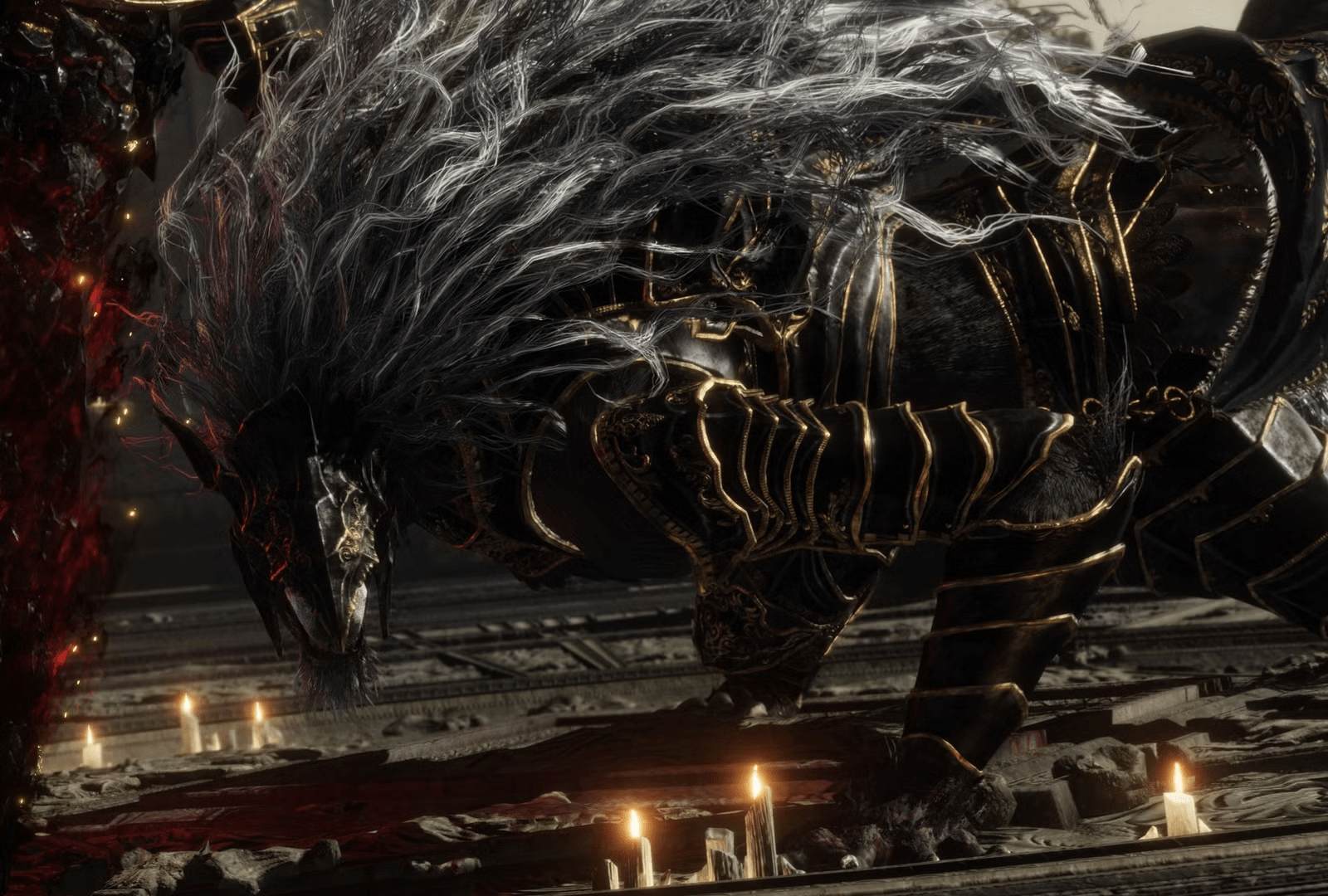
Maliketh the Black Blade is one of the most demanding mandatory bosses in Elden Ring, combining aggressive mobility, max HP debuffs, and punishing spacing checks into a two-phase fight that tests both mechanics and patience. If you are stuck at Crumbling Farum Azula or preparing for the transition to Leyndell, Ashen Capital, this guide explains exactly how Maliketh works, what he is weak to, and how to control the fight instead of reacting to it.
Who Maliketh the Black Blade Really Is

Maliketh, also referred to as malekith elden ring or malikith by many players, is not just another late-game wall. He is Queen Marika’s shadow-bound beast, much like Blaidd’s role to Ranni. His duty was absolute: to guard the Rune of Death. When that rune was stolen and used during the Night of the Black Knives, Maliketh bound its power directly into his flesh to ensure it would never be taken again.
Narratively, this matters because maliketh the black blade represents the moment Elden Ring pivots from demigod politics into cosmic consequence. Mechanically, it explains why his attacks reduce your maximum HP and apply damage over time. You are not just being hit; the game is taking something away from you.
Location and Progression Importance
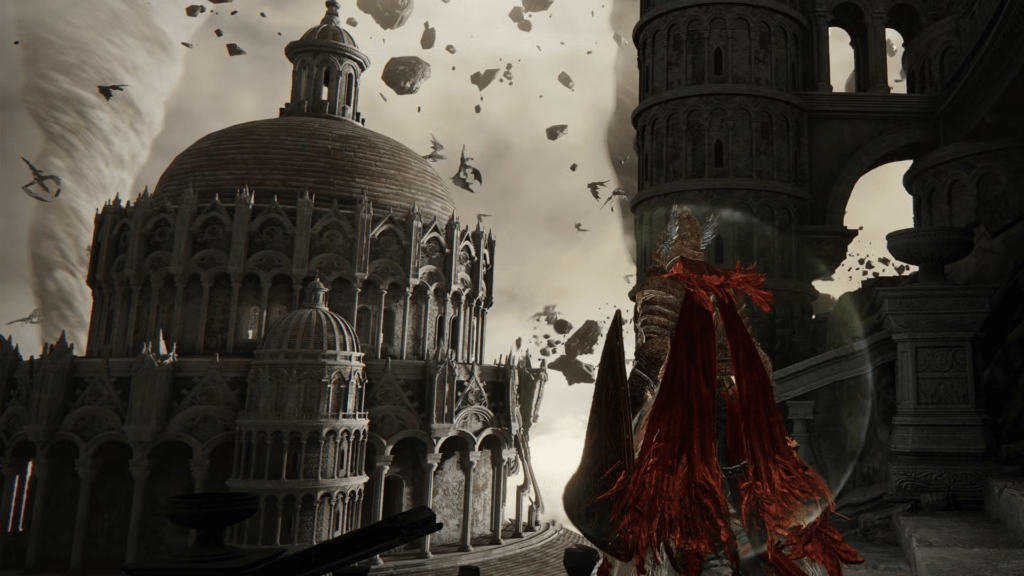
You encounter elden ring maliketh at the end of Crumbling Farum Azula. From the Beside the Great Bridge Site of Grace, you move past the Draconic Tree Sentinel and enter the arena that initially houses Gurranq, the Beast Clergyman.
This fight is not optional. Defeating maliketh elden ring is required to unlock Leyndell, Ashen Capital and progress toward the ending. Once he falls, the world changes permanently, with ash covering Leyndell and the Erdtree burning red across the Lands Between.
Boss Overview and Core Stats
Maliketh is a two-phase Legend Boss with shared posture damage between phases. Understanding his numbers helps explain why certain builds struggle.
- Total HP: 10,620
- Defense: 120
- Stance: 80
- Parryable: Yes, but only with Blasphemous Claw during specific attacks
- Drops: 220,000 runes, Remembrance of the Black Blade
He deals standard, slash, pierce, and holy damage, with the second phase heavily focused on holy-based Destined Death attacks.
Damage Negations and Resistances Explained
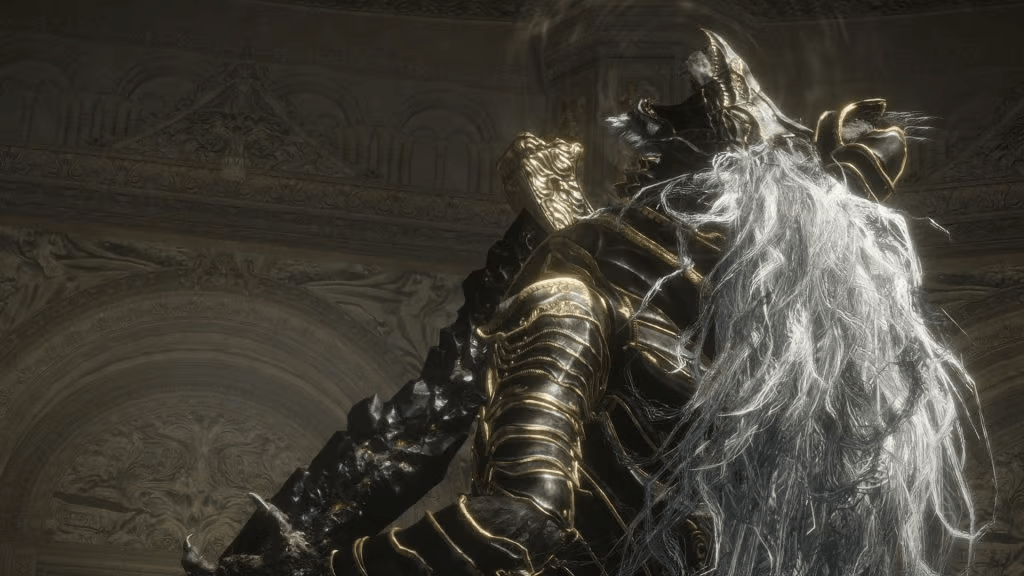
Maliketh’s defenses shape optimal damage choices. He heavily resists holy damage, which makes faith builds relying on holy incantations noticeably weaker here.
| Damage Type | Negation (%) |
| Standard | 35 |
| Slash | 35 |
| Strike | 35 |
| Pierce | 35 |
| Magic | 40 |
| Fire | 40 |
| Lightning | 40 |
| Holy | 80 |
Status effects tell a similar story. Poison, Scarlet Rot, Hemorrhage, and Frostbite all work, but Sleep is unusually effective, while Madness does nothing.
This is why players experimenting with maliketh black blade counters often report success with bleed or frost builds rather than raw holy damage.
Phase One: Beast Clergyman Fundamentals
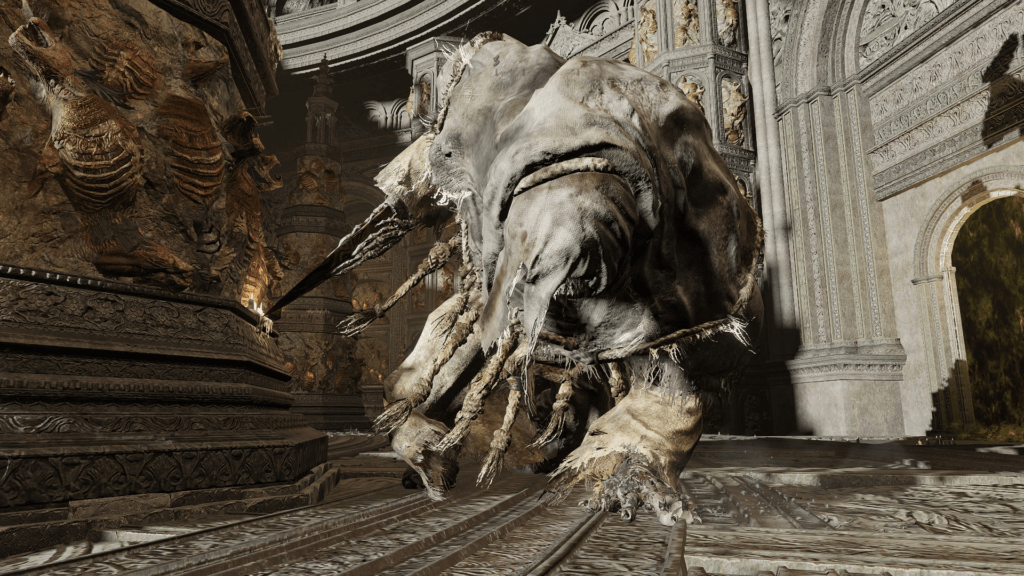
The first phase mirrors Gurranq’s earlier NPC form but with higher aggression. The arena shape matters here. Move forward immediately to avoid fighting on the narrow bridge.
Beast Clergyman relies on fast horizontal swipes, plunging dagger attacks, and bestial incantations like Bestial Sling and Beast Claw. Many of these attacks have blind spots directly in front of him, encouraging aggressive positioning rather than backpedaling.
The key concept in phase one is posture damage. Heavy attacks, jump attacks, and charged hits build stance break quickly. Any posture damage you deal carries into phase two, which is one of the most important mechanics in the entire fight.
Transitioning Into Maliketh the Black Blade
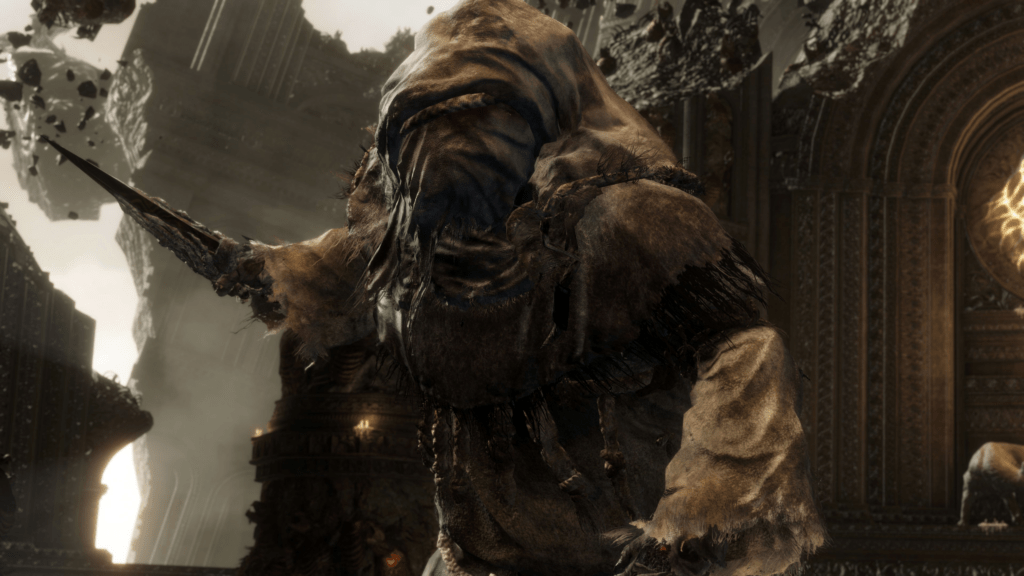
At roughly half health, Beast Clergyman sheds the disguise. Maliketh emerges with a cutscene line that signals the shift in tone and mechanics.
This is where many players panic. Maliketh’s sword inflicts a temporary max HP reduction and applies damage over time. If you are already low when hit, death can feel instant. The solution is not running away but managing spacing.
Maliketh is most dangerous at long range. His airborne mobility, Black Blade projectiles, and wide AoE slashes punish panic rolls and healing attempts in the open.
Phase Two Positioning and Survival
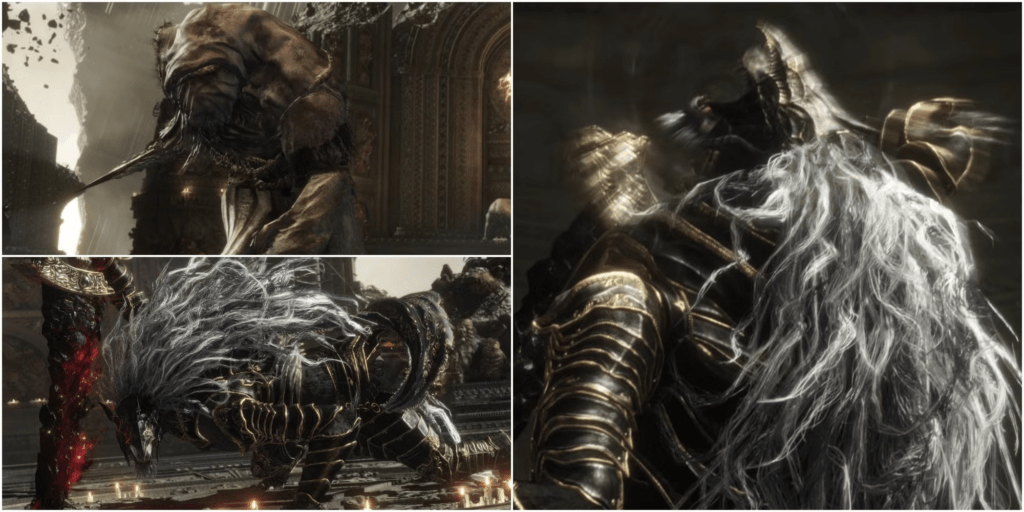
Staying close is counterintuitive but effective. Many of Maliketh’s frontal cone attacks miss entirely if you are under or behind him. Rolling into attacks instead of away shortens recovery windows and creates punish opportunities.
When Maliketh plunges his blade into the ground, there is always a delayed explosion. Rolling away early often gets you caught. Wait, then move decisively.
Pillars in the arena serve two purposes:
- They block Black Blade projectiles
- They can reset Maliketh’s AI into pacing behavior if you break line of sight
This pacing trick allows the max HP debuff to expire and gives you control over the tempo, especially in solo runs.
Parrying Maliketh With Blasphemous Claw
Blasphemous Claw enables a unique parry interaction against maliketh elden ring, but only during specific Black Blade attacks marked by a white aura.
Parryable attacks include:
- The ending slash of Black Blade projectile attacks
- The dive portion of his aerial Black Blade move
A successful parry briefly stuns Maliketh, reduces his damage resistance by about 20 percent, and opens a punish window. The dive parry offers a larger window than the slash, making it more reliable.
Mistimed parries can still deal chip damage, especially in co-op, so spacing matters as much as timing.
Melee Build Strategy
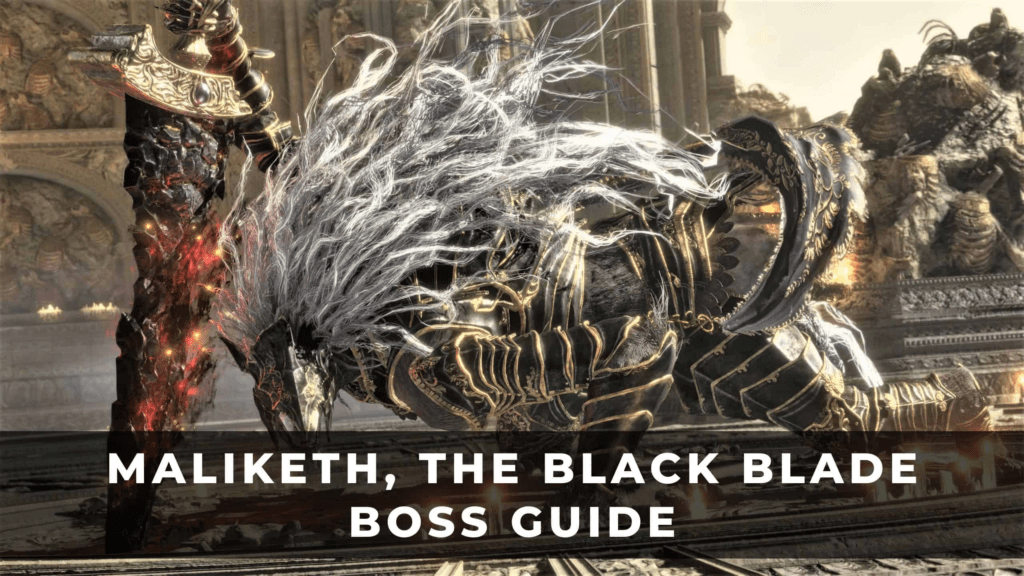
Melee builds benefit from controlled aggression. Shields can block dagger swipes but still allow chip damage from incantations.
Effective principles:
- Roll into forward lunges instead of away
- Stay near his left side to avoid sword drags
- Punish dagger plunges consistently
In phase two, wait for Maliketh to land before committing. His grounded recovery frames are generous compared to his aerial strings.
Magic and Ranged Strategy
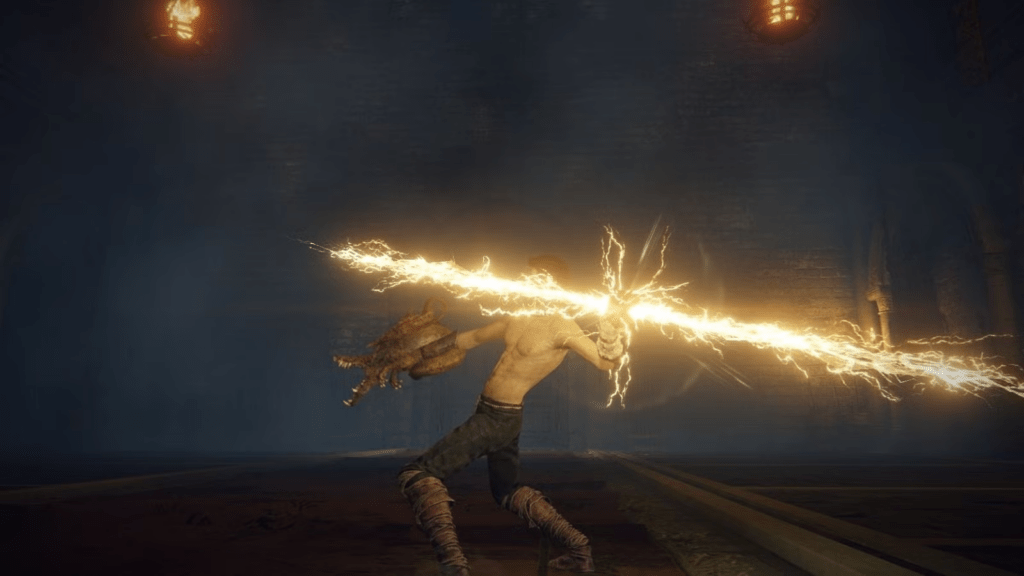
Casters face a harder second phase. Fast spells with low recovery such as Lightning Spear or Night Comet are ideal. Long channel spells only work if Beast Clergyman fails to sprint at the start.
Pillars help block projectiles, but hugging them is risky due to sword clipping. Cast immediately after dodging, never while Maliketh is airborne.
Why Maliketh Is a Skill Check, Not a DPS Race
Maliketh the black blade is designed to punish passive play. His mechanics reward players who understand posture, spacing, and timing rather than raw damage output.
Players who treat him like a traditional Souls boss often struggle. Those who learn when to stay close, when to delay, and how to exploit blind spots usually win decisively.
This design philosophy makes maliketh elden ring one of the clearest examples of Elden Ring’s late-game combat identity.
Full Attack Breakdown: Beast Clergyman Counters
Understanding Beast Clergyman’s move set removes most of the chaos from phase one. His attacks are fast but readable, and nearly all of them have consistent counters once you stop dodging sideways.
Side-to-side swipes are designed to catch lateral rolls. Rolling forward or backward works far more reliably. His forward ground stab looks dangerous but is actually one of his safest punish windows if you roll to his right side.
Bestial Sling is the most disruptive tool in his kit. The basic version throws rocks almost instantly, while the jumping variant circles you first. In both cases, dodging slightly later than instinct suggests is the key. Rolling too early almost guarantees a hit.
Beast Claw and Gurranq’s Beast Claw both create shockwaves with a blind spot directly in front of him. Rolling forward into his body avoids damage entirely and places you in position for counterattacks.
Ground Rupture is slower and heavily telegraphed. Watch the dust columns, not the animation itself. Stand where no dust appears and roll away only when the rocks begin to fall.
These patterns teach you the core lesson Maliketh demands later: forward movement beats panic retreat.
Maliketh the Black Blade Attack Patterns
Once the second phase begins, maliketh the black blade abandons most traditional spacing rules. His opening move is almost always Flip and Slash. If you simply hold forward during the cutscene, you can end up behind him without rolling and punish immediately.
Piledriver follows a predictable rhythm. Dodge the initial slam, then either roll away from the explosion or roll toward him to bait the overhead sweeps and flurry. Rolling into the flurry creates a safe punish window if timed correctly.
Black Blade projectile attacks are about counting, not reacting. Two blades usually lead into a Piledriver. Three blades signal the airborne Double Spin. Rolling toward Maliketh during the Double Spin causes the second hit to miss entirely due to his forward momentum.
Destined Death is his most punishable move. The initial floor slash and overhead slam leave his back exposed, but patience matters. Rushing in too fast risks getting caught by the follow-up variant that fills the area with slashes.
Double Spin on the ground is simpler than it looks. The timing of the second swing matches the timing of your second roll perfectly if the first roll was clean.
After a successful parry, Maliketh performs Blind Swings. Staying under him and attacking before recovery is safer than backing off.
Using the Arena to Control the Fight
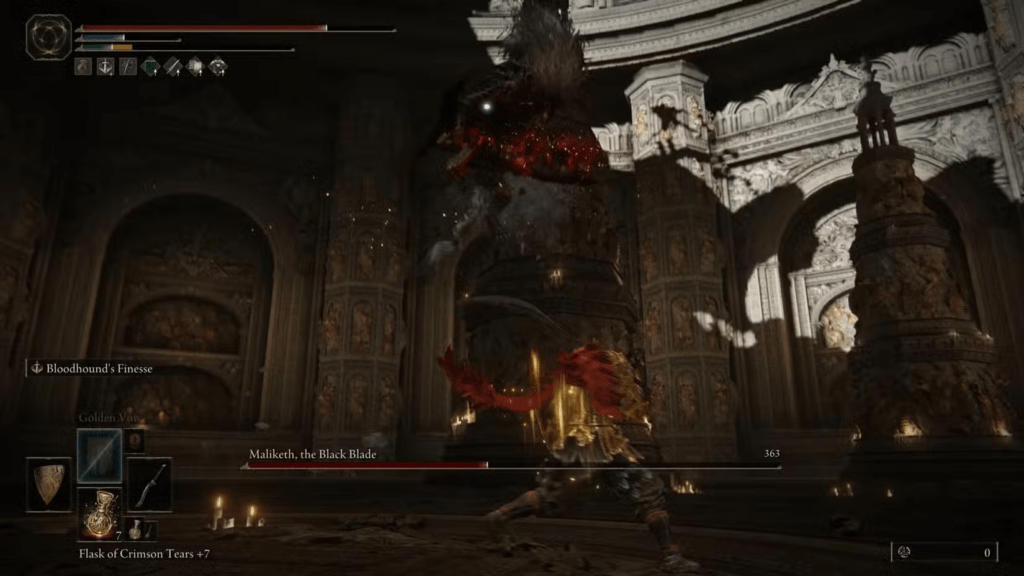
The arena is not decoration. Pillars are deliberate tools meant to help you reset pressure. Breaking line of sight forces Maliketh into circling behavior, buying time for healing and letting the max HP debuff expire.
This tactic is especially effective without Spirit Ashes. Maliketh’s AI struggles when vision is interrupted repeatedly, allowing you to dictate when the next engagement happens.
However, pillars are not shields. Sword slashes can clip through them, so use them for spacing, not hugging.
World Changes After Defeating Maliketh
Defeating maliketh elden ring triggers irreversible changes. Leyndell becomes Ashen Capital, cutting off access to several areas permanently. Ember particles fill the sky, and the Erdtree burns red instead of gold.
This moment signals Elden Ring’s point of no return. From a narrative perspective, Destined Death is no longer sealed. From a gameplay perspective, the endgame begins in earnest.
Lore Context and Narrative Weight
Maliketh’s tragedy is central to Elden Ring’s themes. He was created solely to contain Destined Death, then betrayed by the very order he served. Ranni’s theft of the rune fragment and the Night of the Black Knives were possible only because of that failure.
Binding the Rune of Death into his own flesh was not strength. It was desperation.
This context reframes the fight. Maliketh is not guarding power; he is imprisoned by it. That is why his dialogue shifts depending on whether Gurranq was given all Deathroots. Recognition changes his resolve, but not his fate.
Rewards and Related Items
The Remembrance of the Black Blade can be exchanged for Maliketh’s gear or consumed for runes. His helm emphasizes his identity as Marika’s shadow, feared even among demigods.
Several items tied to him reinforce the lore:
- Deathroot explains how Destined Death spread underground
- Black Knife connects directly to the Night of the Black Knives
- Stone of Gurranq reflects his original ferocity before sealing Death
These pieces together show how deeply maliketh black blade is woven into the world’s collapse.
Advice Before the Fight
Maliketh is not beaten by over-leveling alone. He demands understanding of posture, spacing, and delayed reactions. Treat phase one as preparation, not an obstacle. Enter phase two with posture pressure already built and confidence in forward movement.
If you are dying while retreating, change direction. If you are being overwhelmed at range, close the gap. Maliketh punishes fear but respects control.
Once you internalize that lesson, maliketh elden ring transforms from an unfair wall into one of the most satisfying victories in the game.