
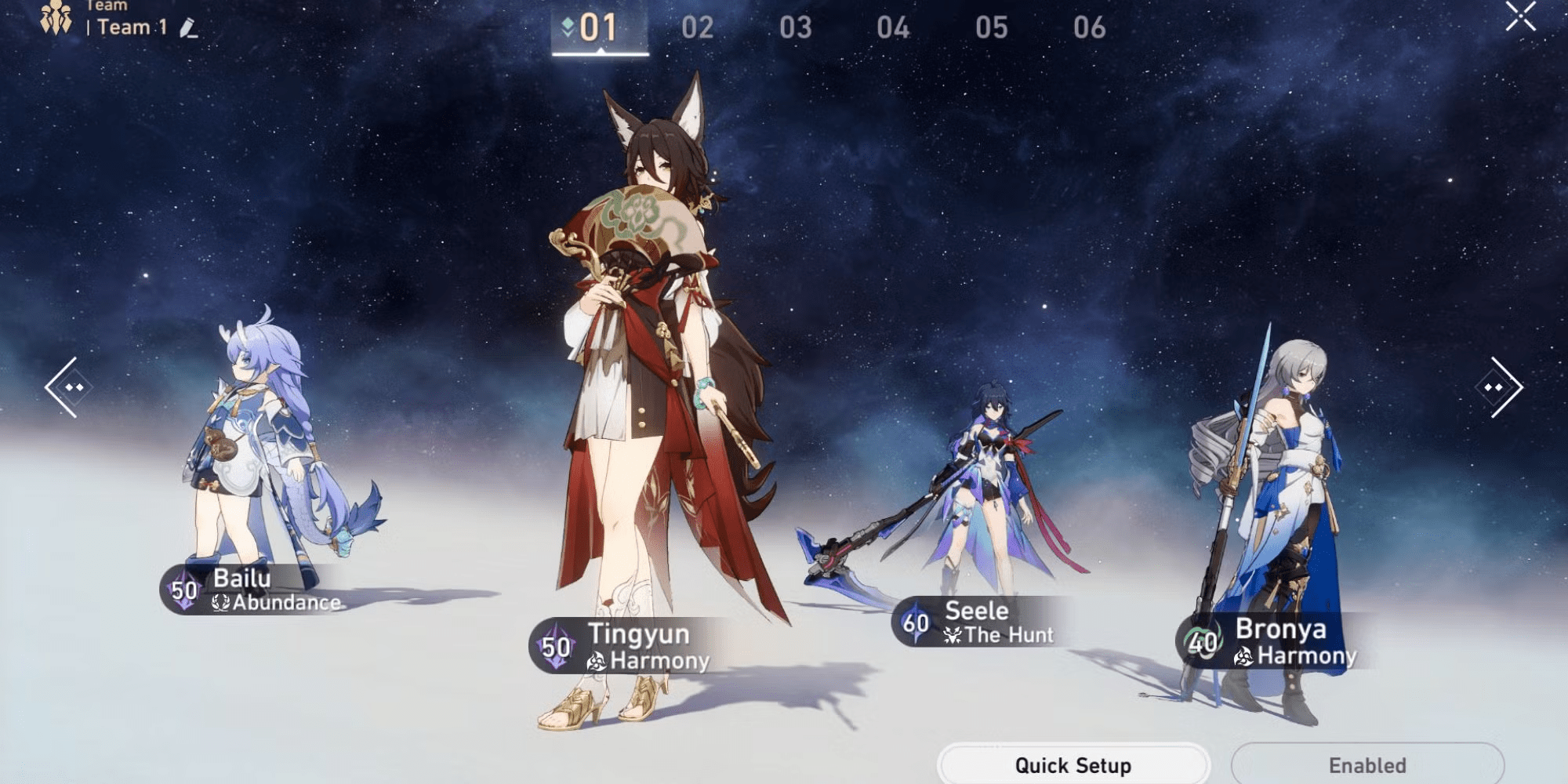
If you want a clear, up-to-date answer on which characters are truly worth using in Honkai: Star Rail Version 3.8, here it is: the current meta heavily favors flexible DPS cores, premium enablers, and sustain units that scale well under endgame HP bloat. This hsr tier list reflects that reality, ranking every character at E0 with ideal Light Cones and team support, and judging them by real performance in Memory of Chaos, Pure Fiction, and Apocalyptic Shadow.
I’m Ethan Walker, and I approach tier lists less as popularity charts and more as system maps. A good honkai star rail tier list should explain not just who is strong, but why they stay strong when content pressure rises.
How This Star Rail Tier List Is Built
This star rail tier list assumes all characters are evaluated at Eidolon 0, with optimal but realistic setups. That means correct Light Cones, functional teammates, and no niche whale-only assumptions.
Scores are adjusted downward when a character’s performance depends too heavily on rare Eidolons, limited 5-star supports, or very specific stage conditions. In Version 3.8, HP inflation in endgame content makes consistency and scaling more important than burst damage alone.
The result is a tier list hsr players can actually use when planning pulls or team upgrades.
Overall Tier Rankings in Honkai Star Rail 3.8
The overall rankings combine general usefulness, team value, and endgame reliability. Characters listed higher are not just strong—they solve problems across multiple modes.
SS Tier – Meta-Defining Characters
SS-tier units are the backbone of the Version 3.8 meta. They perform at a high level with modest investment and slot cleanly into many team comps.
Characters in SS Tier include:
- Phainon
- Castorice
- Anaxa
- The Herta
- Sunday
- Tribbie
- Evernight
- Hyacine
- Permansor Terrae
- Huohuo
- Feixiao
These units either redefine damage ceilings, trivialize sustain checks, or compress multiple roles into one kit. Huohuo, for example, remains dominant because she blends energy economy, healing, and team stability in a way few sustains can match.
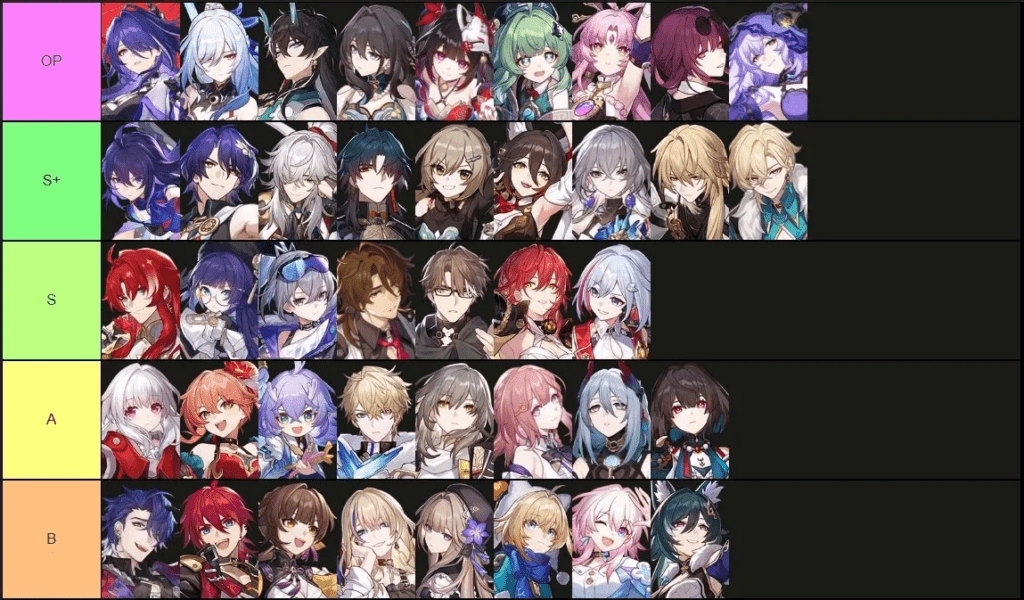
S+ Tier – Premium Power with Conditions
S+ tier characters are extremely strong, but their ceiling depends more on setup quality. With the right Light Cones or teammates, they rival SS-tier units.
Notable S+ Tier characters:
- Robin
- Ruan Mei
- Acheron
- Firefly
- Sparkle
- Bronya
- Kafka
- Aventurine
- Jade
In Version 3.8, supports like Ruan Mei and Sparkle continue to age well. Their value scales with roster depth, making them future-proof investments rather than short-term power spikes.
S Tier – Strong, Reliable, but Resource-Sensitive
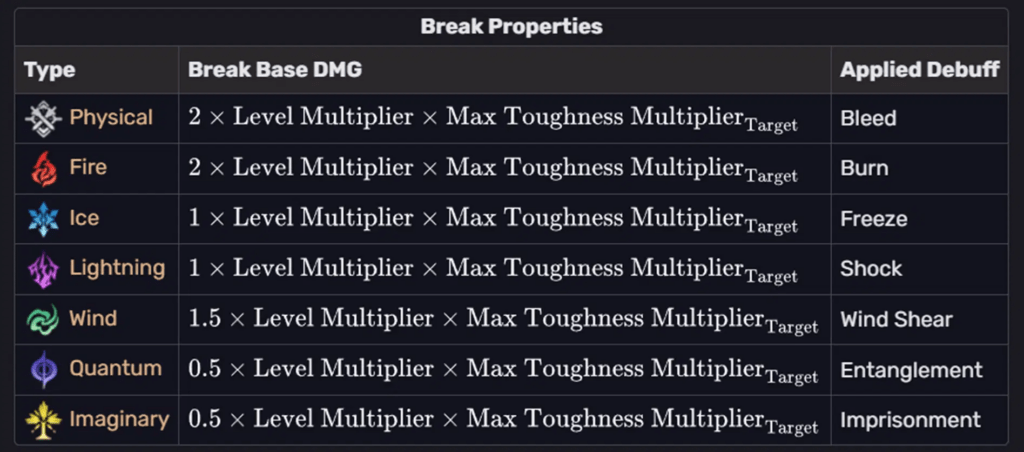
S-tier characters are excellent performers who may fall behind if under-invested. They shine in optimized teams but can struggle when missing key pieces.
This tier includes:
- Jingliu
- Blade
- Boothill
- Silver Wolf
- Tingyun
- Jing Yuan
- Topaz
- Fu Xuan
- Black Swan
- Luocha
Jingliu is a good example. Her damage remains high, but in 3.8 endgame she demands careful sustain planning. Without it, her output becomes risky rather than dominant.
A Tier – Situationally Powerful Picks
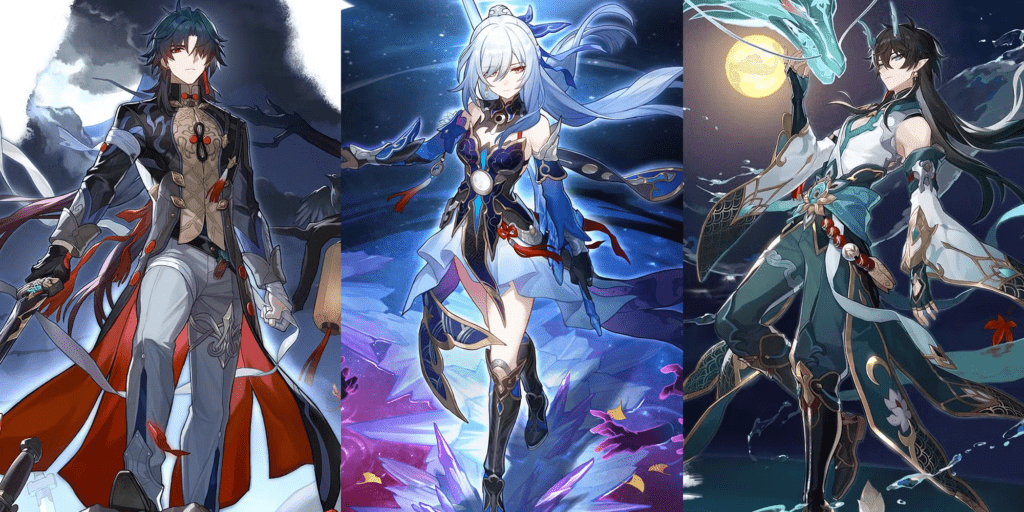
A-tier units are good characters with clear strengths, but they are more sensitive to matchup, mode, or rotation design.
Characters commonly placed in A Tier:
- Dr. Ratio
- Seele
- Imbibitor Lunae
- Himeko
- Argenti
- Clara
- Gepard
- Bailu
- Welt
These characters often excel in specific content. Himeko, for instance, remains excellent in Pure Fiction but loses ground in Memory of Chaos where sustained single-target pressure matters more.
B and C Tier – Functional but Outclassed
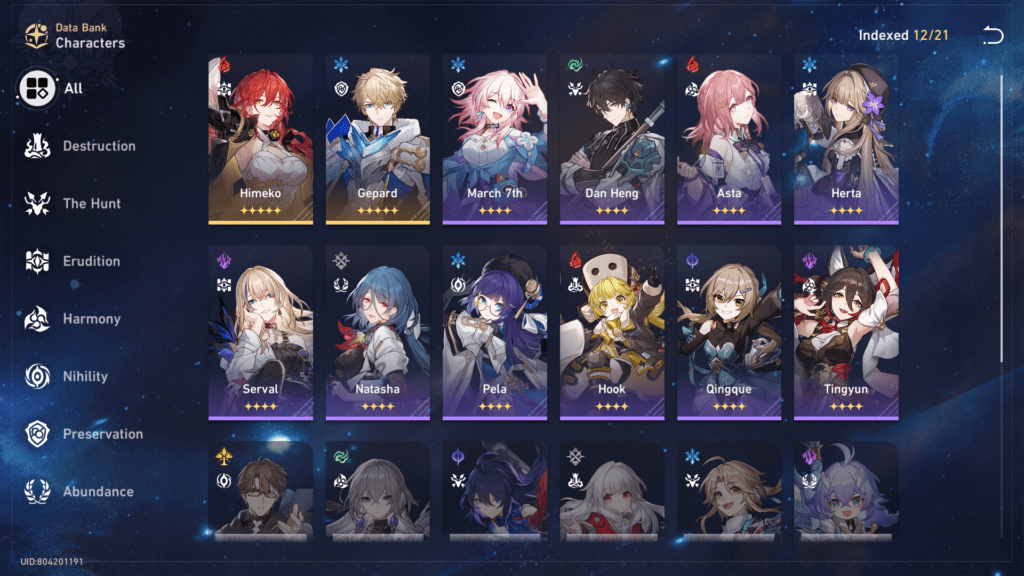
B-tier characters require heavy investment to keep up, while C-tier units are largely overshadowed.
B Tier examples:
- Natasha
- Qingque
- March 7th
- Serval
- Yanqing
- Sampo
C Tier:
- Trailblazer (Physical)
- Arlan
These characters aren’t unusable, but in a modern tier list hsr context, they struggle to justify team slots unless you lack alternatives.
Endgame Performance in Version 3.8
Endgame evaluation focuses on how easily a character helps achieve three-star clears in Memory of Chaos, Pure Fiction, and Apocalyptic Shadow.
Key factors include:
- Damage over fixed turn limits
- SP efficiency
- Survivability under pressure
- Multi-target consistency
AoE-capable DPS units score slightly higher due to Pure Fiction’s design, while sustain units are judged on cleansing, uptime, and added utility beyond raw healing or shields.
Tier Definitions Explained Clearly
To avoid confusion, here’s how each tier should be interpreted in practical terms:
| Tier | Meaning in Practice |
| SS | Low investment, high impact, core to many teams |
| S+ | Extremely strong with proper setup |
| S | Strong but resource-sensitive |
| A | Effective in specific scenarios |
| B | Needs heavy investment to compete |
| C | Outclassed in most roles |
This structure keeps the honkai star rail tier list readable and actionable rather than theoretical.
Why Tier Lists Change Between Versions
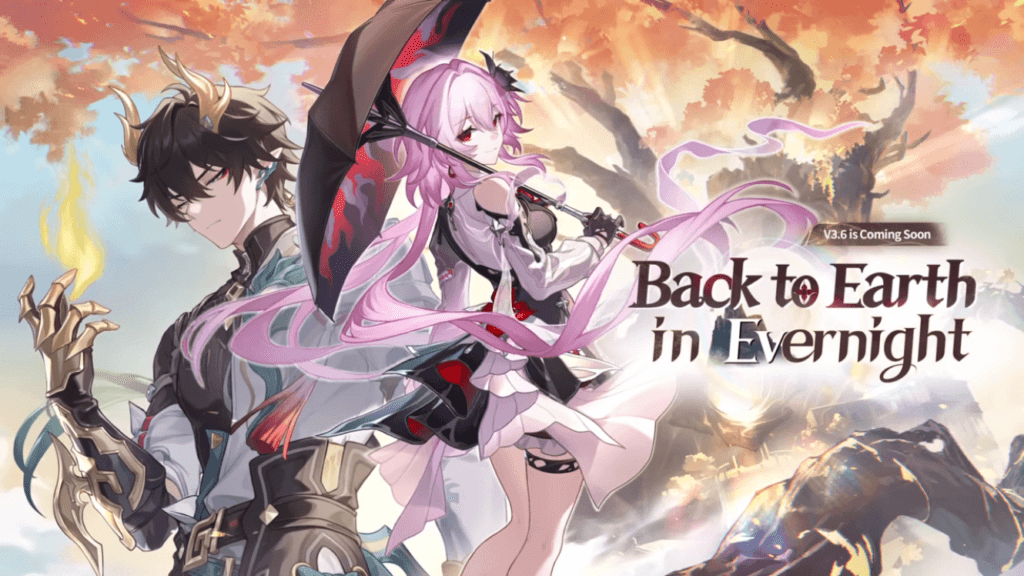
Tier lists are snapshots, not verdicts. Version 3.8 shifts priorities due to enemy HP scaling, stage buffs, and new synergies. Characters that scale with team buffs and long fights gain value, while burst-only kits lose relative strength.
A fictional example: a player named Marcus relied on Seele throughout Version 2.x. In 3.8, his clears slowed—not because Seele became weak, but because the environment changed around her. Tier lists reflect that shift.
At this point, we’ve covered rankings, structure, and evaluation logic. Next, we’ll break down role-based scoring, explain how DPS, support, and sustain are judged differently, and offer guidance on how to use this tier list when planning pulls or rerolls.
Role-Based Evaluation in the Honkai Star Rail Tier List
To understand why characters land where they do on a honkai star rail tier list, you need to look at roles separately. Version 3.8 doesn’t reward raw stats alone. It rewards how well a role performs under time pressure, SP limits, and inflated enemy health.
DPS units are judged first on consistency, not peak damage. A character that spikes once and then collapses often underperforms compared to one that delivers steady output across several turns. AoE damage receives a slight advantage because Pure Fiction and hybrid waves punish single-target tunnel vision.
Support characters are evaluated on how much total team damage they enable. Buff strength matters, but so does uptime and SP generation. A support that locks the team into negative SP loops loses value fast in endgame rotations.
Sustain units are no longer just healers or shielders. Cleanses, energy generation, damage mitigation, and passive buffs all factor into ranking. That’s why modern sustains often sit higher than older “pure heal” designs.
Endgame Modes and Why They Shape the Tier List HSR Meta
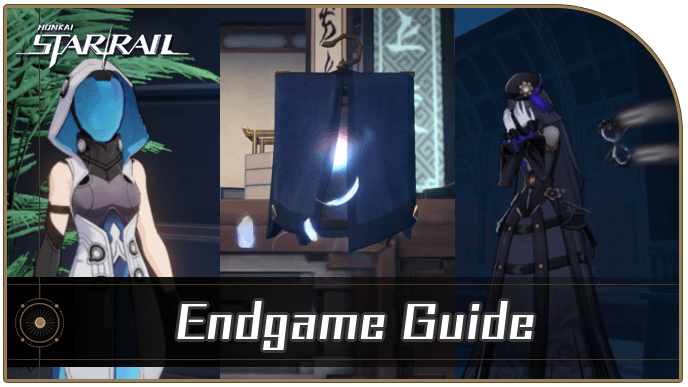
Version 3.8 endgame revolves around three pillars: Memory of Chaos, Pure Fiction, and Apocalyptic Shadow. Each mode stresses a different weakness.
Memory of Chaos tests turn efficiency and survivability over extended fights. Characters that burn too many skill points or require long ramp-up phases struggle here.
Pure Fiction favors wide damage coverage and tempo control. Units with reliable AoE or follow-up attacks naturally climb the star rail tier list in this mode.
Apocalyptic Shadow blends mechanics from both, demanding flexibility. Characters that adapt without swapping entire teams rise in value.
A character ranked S overall but weak in one of these modes often drops in endgame-specific scoring. That’s not inconsistency—it’s contextual accuracy.
How to Use This Tier List for Pull Decisions
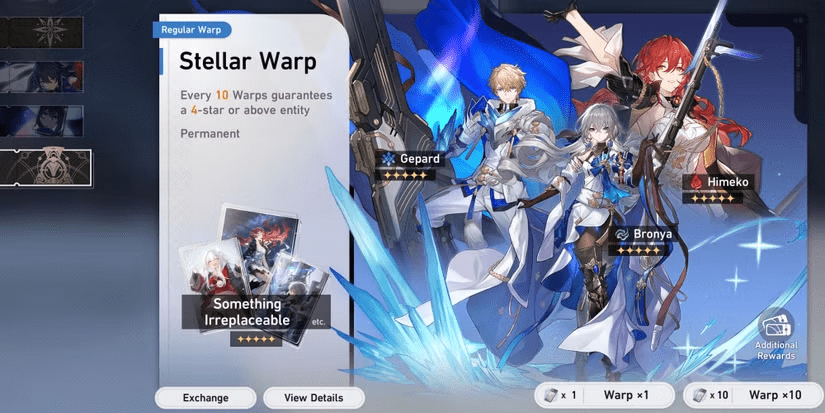
A tier list hsr players trust should help answer one question: should you pull now or save?
Use this framework:
- If you lack a core sustain, prioritize SS or S+ sustains before chasing DPS.
- If your roster has strong supports but weak damage, invest in scalable DPS rather than burst units.
- If you’re free-to-play, favor characters that function well at E0 without signature Light Cones.
Tier lists don’t tell you who to like. They tell you where friction will appear if you ignore structural weaknesses in your roster.
Reroll and Early Progression Considerations
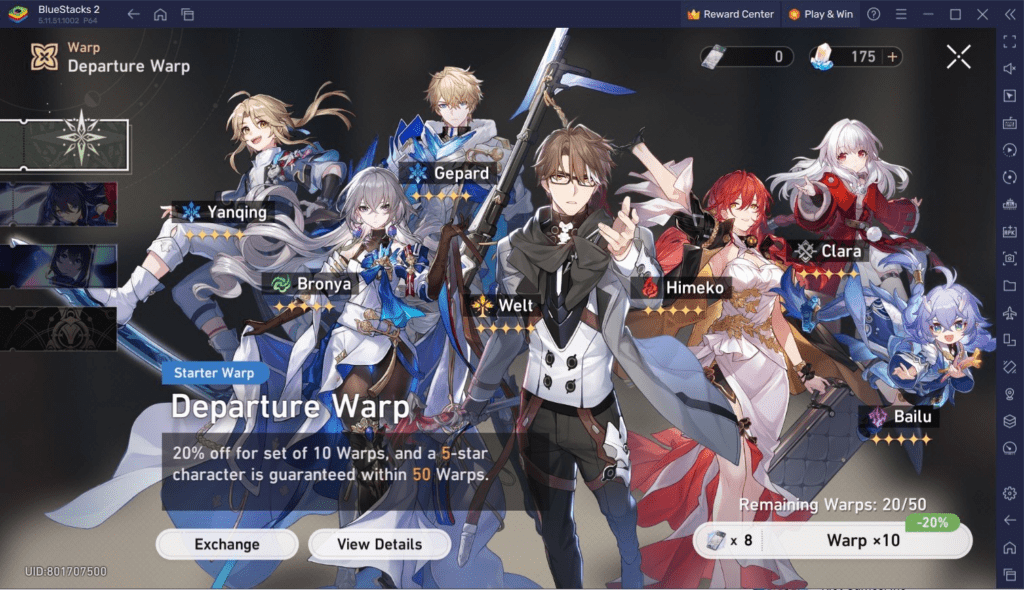
For new players or reroll-focused accounts, the honkai star rail tier list works slightly differently. Early progression favors characters who are simple, self-sufficient, and forgiving.
SS-tier complexity isn’t always ideal for beginners. Some S-tier or A-tier units perform better early because they demand fewer resources and less precise rotations.
That’s why reroll advice often diverges from pure endgame rankings. The list stays the same, but how you read it should change.
Why “Low Tier” Does Not Mean “Unusable”
One common misunderstanding is that B- or C-tier characters are dead weight. In practice, they’re just inefficient under current conditions.
A player named Elena clears story and events comfortably using Serval and March 7th—not because they’re top-tier, but because the content allows flexibility. The tier list reflects optimal performance under pressure, not casual enjoyment.
Use it as a planning tool, not a rulebook.
Version History and Meta Drift
Tier lists evolve because systems evolve. Version 3.8 didn’t just add characters—it reshaped expectations. HP bloat, stage buffs, and team synergies changed what “good” looks like.
Characters that scale with buffs, energy loops, and multi-target scenarios gained value. Those reliant on narrow windows lost ground.
Future versions will do the same. A smart player revisits the star rail tier list regularly, not to chase rankings, but to understand direction.
Takeaway for Version 3.8
This honkai star rail tier list for January 2026 is not about hype. It’s about reliability under pressure. SS and S+ characters define the meta because they solve problems consistently, not because they post flashy numbers.
If you want smoother clears, fewer resets, and better long-term value:
- Build flexible teams
- Invest in supports and sustains early
- Treat DPS as interchangeable tools, not identities
That mindset will carry you further than any single pull ever will.