

The Aviator game is built around a single, high-tension decision: cash out before the plane disappears. That simplicity is exactly why the Aviator crash game has become one of the strongest performers in modern online casinos. A round starts, a multiplier climbs, and at any unpredictable moment the flight ends. Players who exit in time win. Players who hesitate lose the stake. If you are asking what the Aviator game is, how Aviator betting works, or why Aviator casino game sessions keep players engaged longer than classic slots, the answer lies in its timing-based design and social visibility.
Originally inspired by video game risk-reward loops, Aviator translated that tension into a gambling format that works equally well on desktop, tablet, and mobile devices.
What the Aviator Game Is and How the Core Loop Works
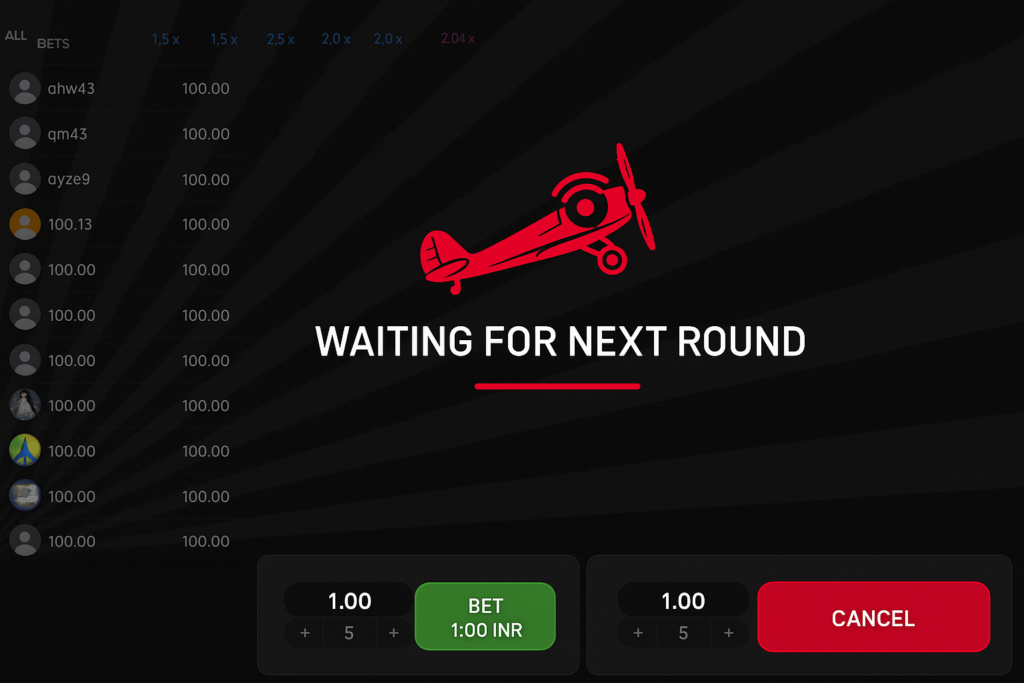
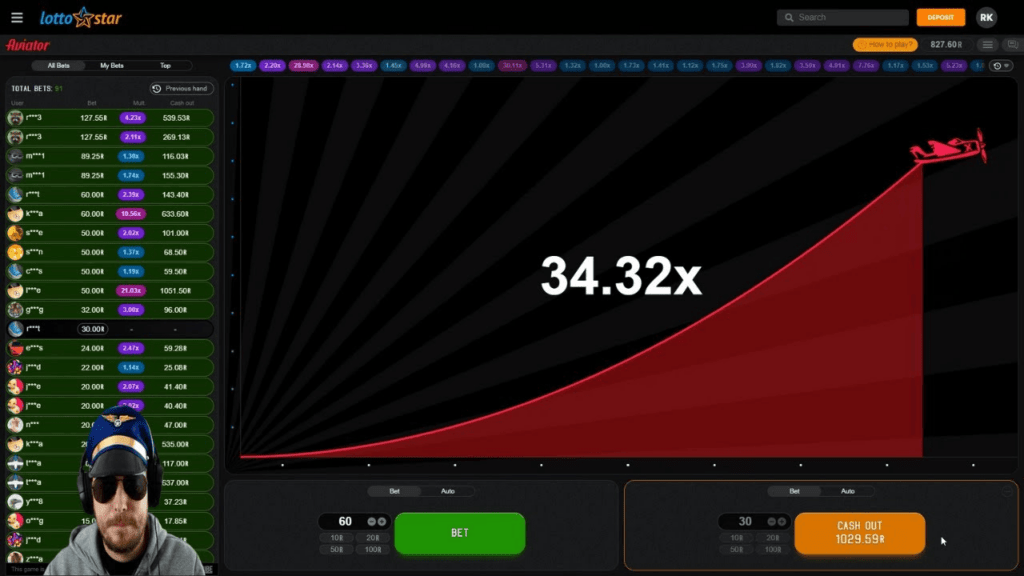
At its core, Aviator is a crash game. Instead of reels or cards, the game presents a rising multiplier. Every fraction of a second increases potential winnings, but the crash point is unknown.
The player’s only action is choosing when to cash out. This turns every round into a test of judgment rather than pattern recognition.
Key characteristics of the Aviator game loop include:
- A single betting decision per round
- A real-time multiplier that grows continuously
- An instant win or loss outcome
This structure removes complexity while amplifying tension. You are not waiting for symbols to align. You are watching risk accumulate in real time.
Why Aviator Became Popular in Online Casinos
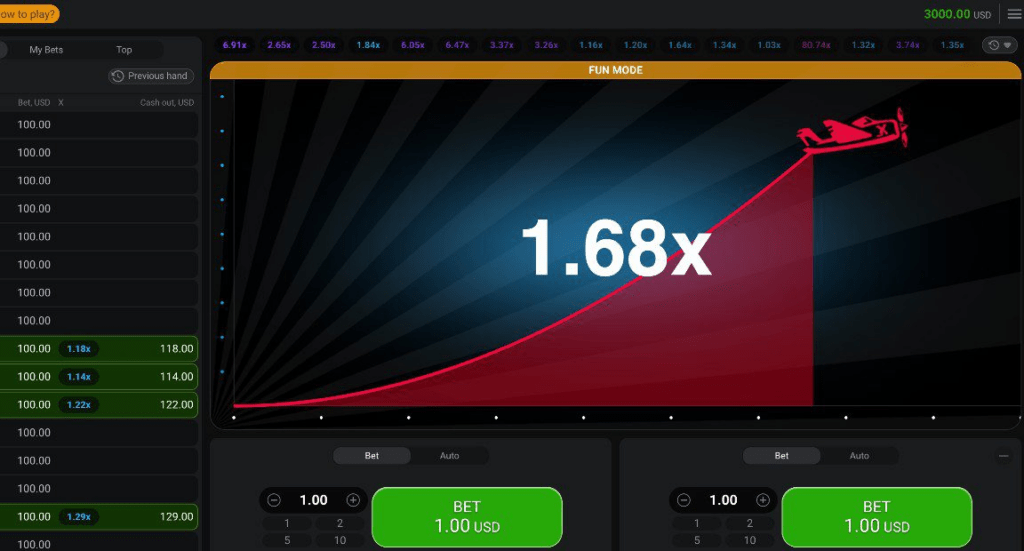
The Aviator crash game first gained traction in crypto casinos, where players were already comfortable with volatility. Its success there exposed a broader truth: many players prefer fast feedback over layered mechanics.
Traditional slots rely on delayed outcomes. Aviator delivers immediate consequence. That design makes it easier to understand and harder to disengage.
From a casino perspective, Aviator performs well because rounds are short, decisions are frequent, and players remain active rather than passive.
Aviator Game Type, RTP, and Technical Profile
Aviator is classified as a mini game rather than a slot or table game. That classification matters because it signals pace and session length.
| Feature | Aviator Game |
| Game Type | Mini Game |
| RTP | 97% |
| Devices | Desktop, Tablet, Mobile |
| Session Length | Short, repeatable |
| Bandwidth Use | Low |
An RTP of 97% positions Aviator competitively against many modern slots, but the perception of control often matters more than the percentage itself.

Performance and Scalability Across Devices
One of the reasons Aviator casino game launches scale quickly is technical efficiency. The game is lightweight and designed to function in low-bandwidth environments.
This matters more than it sounds. In regions where network stability is inconsistent, Aviator maintains smooth performance where heavier games fail.
The interface adapts cleanly across screen sizes, keeping the multiplier readable and interaction immediate whether on a phone or desktop.
Social Design: Why Aviator Feels Different
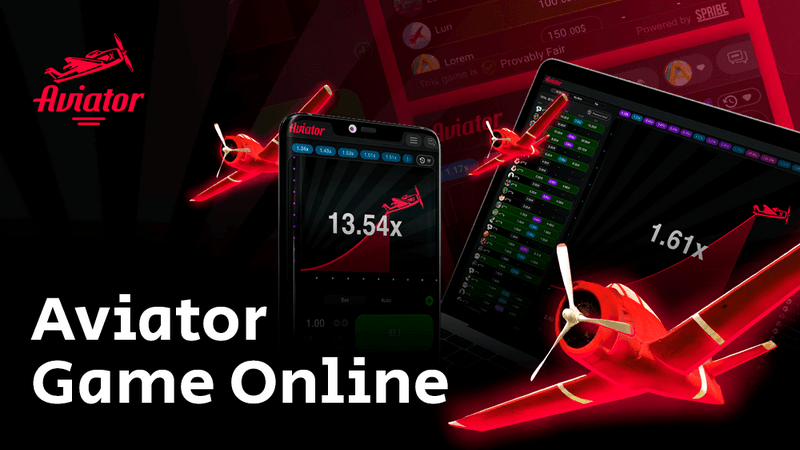
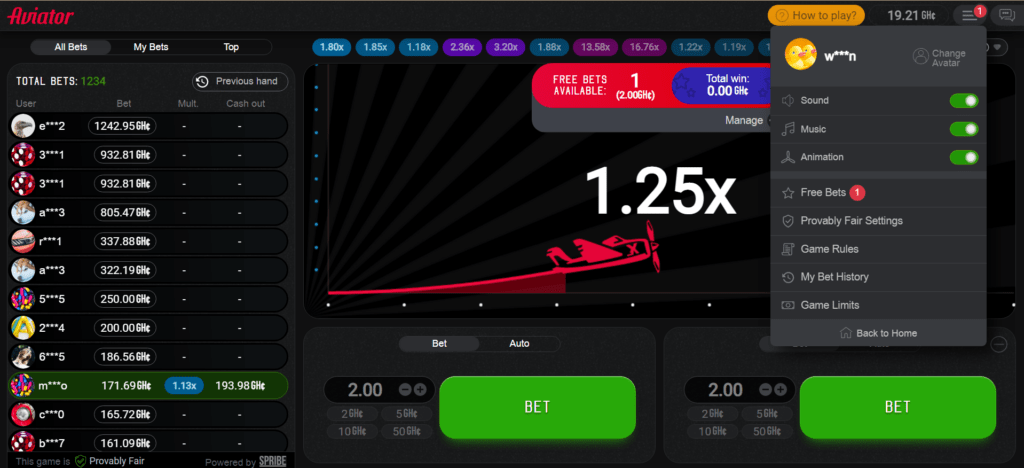
Aviator is not a solitary experience. Its most distinctive feature is visibility. Players can see each other’s bets, wins, and timing decisions in real time.
This creates a shared psychological space where individual decisions feel part of a collective event.
The social layer includes:
- In-game chat
- Live bets displayed to all players
- Real-time win notifications
These elements transform a simple mechanic into a community-driven loop.
In-Game Chat as a Retention Tool
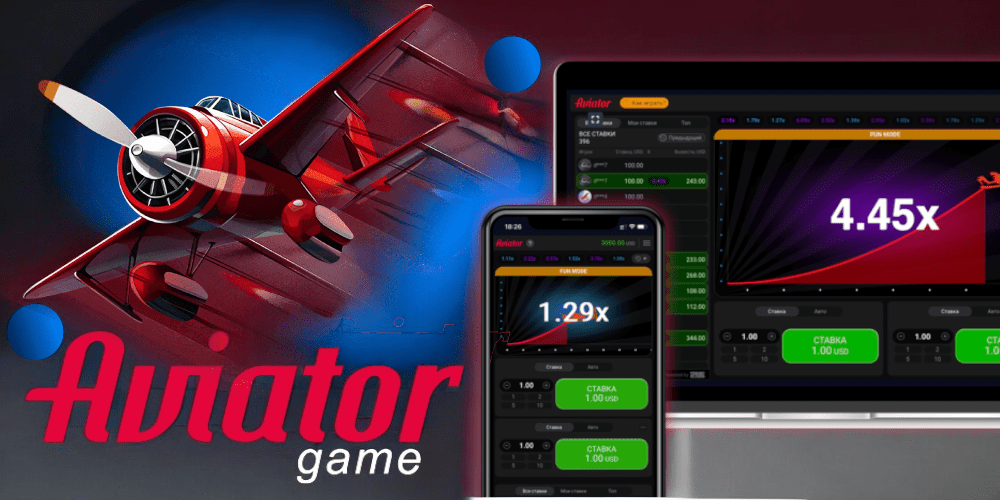
The in-game chat is more than cosmetic. It functions as a retention system. Players discuss cash-out moments, celebrate wins, and react to crashes together.
From a design standpoint, chat reduces churn by anchoring players socially rather than mechanically. Leaving the game means leaving the conversation.
For casinos, the chat also doubles as a soft marketing channel, enabling promotions to feel organic rather than intrusive.
Live Bets and Psychological Transparency
Showing live bets is a deliberate design choice. Players see how much others are risking and winning in the same round.
This transparency creates perceived fairness and increases emotional investment. When someone cashes out at a high multiplier, it reinforces the possibility of success without promising it.
The system does not advise. It observes. That distinction keeps the experience engaging without crossing into instruction.
Live Statistics and Competitive Framing

Aviator includes a live statistics module that highlights the biggest wins across daily, monthly, and all-time frames.
This introduces light competitive framing without turning the game into a leaderboard race. Players are not ranked, but they are visible.
Visibility encourages aspiration. Someone always just won big — and that moment lingers on screen.
Promo Tools Built Around Interaction
Aviator integrates promotional features directly into its social layer rather than isolating them in menus.
Two core tools define this approach:
- Rain Promo
- Free Bets
Rain Promo injects free bets into the chat at random moments. Players must actively claim them, increasing interaction and session time.
Free bets serve as onboarding and reward mechanisms, introducing new players to Aviator betting without pressure.
These tools work because they are contextual. They appear inside the experience, not around it.
Why Aviator Works as a System

Aviator succeeds because every element reinforces the same idea: timing matters.
The crash mechanic, social visibility, lightweight tech, and promo tools all point toward fast decisions with shared consequences. Nothing distracts from that loop.
In that sense, Aviator resembles a multiplayer reaction game more than a traditional casino title — which explains why it feels fresh even after extended play.
Player Psychology and Why Aviator Sessions Run Long
Aviator keeps players engaged because it compresses decision cycles. Each round asks the same question — cash out now or wait — but the context is always different. The visible multiplier, other players’ actions, and recent crashes subtly reshape expectations every time.
This loop mirrors high-frequency decision systems in competitive games. Players are not solving a puzzle; they are managing nerves. That makes Aviator betting feel active, even though the input is minimal.
Crucially, losses feel self-inflicted rather than arbitrary. When the plane flies away, the player knows they chose to wait. That sense of agency keeps frustration lower than in many chance-driven formats.
Risk, Control, and the Illusion of Mastery

Aviator is honest about randomness, but it still allows players to build personal rules. Some cash out early. Others chase higher multipliers. Over time, these habits become identity.
This illusion of mastery is not deception; it is structure. The game does not promise predictability. It offers consistency in how uncertainty is presented.
That balance is why Aviator casino game communities often form strategies, even though no strategy can alter the crash point. The discussion itself becomes part of the experience.
Why Aviator Fits Modern Casino Platforms
From an operator perspective, Aviator integrates cleanly into modern casino ecosystems. It does not compete with slots or tables; it complements them.
Key operational advantages include:
- Short rounds that fit mobile play habits
- Clear rules that reduce onboarding friction
- Social tools that increase session length
Aviator also works well as a bridge game. Players who hesitate to engage with complex casino mechanics often start here, then branch outward.
Monetization Without Aggression
Unlike many casino formats, Aviator does not rely on constant upsells or layered bonus mechanics. The core loop is strong enough to stand alone.
Promotions like Rain Promo and free bets enhance activity without interrupting flow. They reward presence, not spending escalation.
This restraint matters. When monetization stays aligned with gameplay, trust lasts longer.
Case Example: Community Momentum in Action
Consider a mid-sized casino launch where Aviator was added alongside standard slots. Within weeks, the in-game chat showed repeat usernames, shared slang around crash points, and informal group rituals around big wins.
No tutorial created that behavior. The system allowed it.
That kind of organic community momentum is rare in casino environments and difficult to manufacture without a social core.
Limitations and What Aviator Is Not
Aviator is not a strategy game. It does not reward analysis or prediction in a mechanical sense. Players looking for depth through calculation may burn out quickly.
It is also not designed for long, contemplative sessions. Its strength is repetition with variation, not escalation.
Understanding these limits helps set expectations and explains why Aviator works best alongside, not instead of, other game types.
Where Aviator Sits in the Bigger Picture
Aviator represents a shift in how casino games borrow from video game design. It prioritizes immediacy, visibility, and shared tension over spectacle.
That approach aligns with broader trends in Aviator design, where minimal mechanics support strong emotional loops.
It is not flashy. It is focused.
Why Aviator Endures
Aviator lasts because it respects the player’s time and attention. One rule. One decision. One shared moment.
If you want a game that explains itself in seconds, runs smoothly everywhere, and turns risk into a social event, Aviator delivers exactly that — no more, no less.