
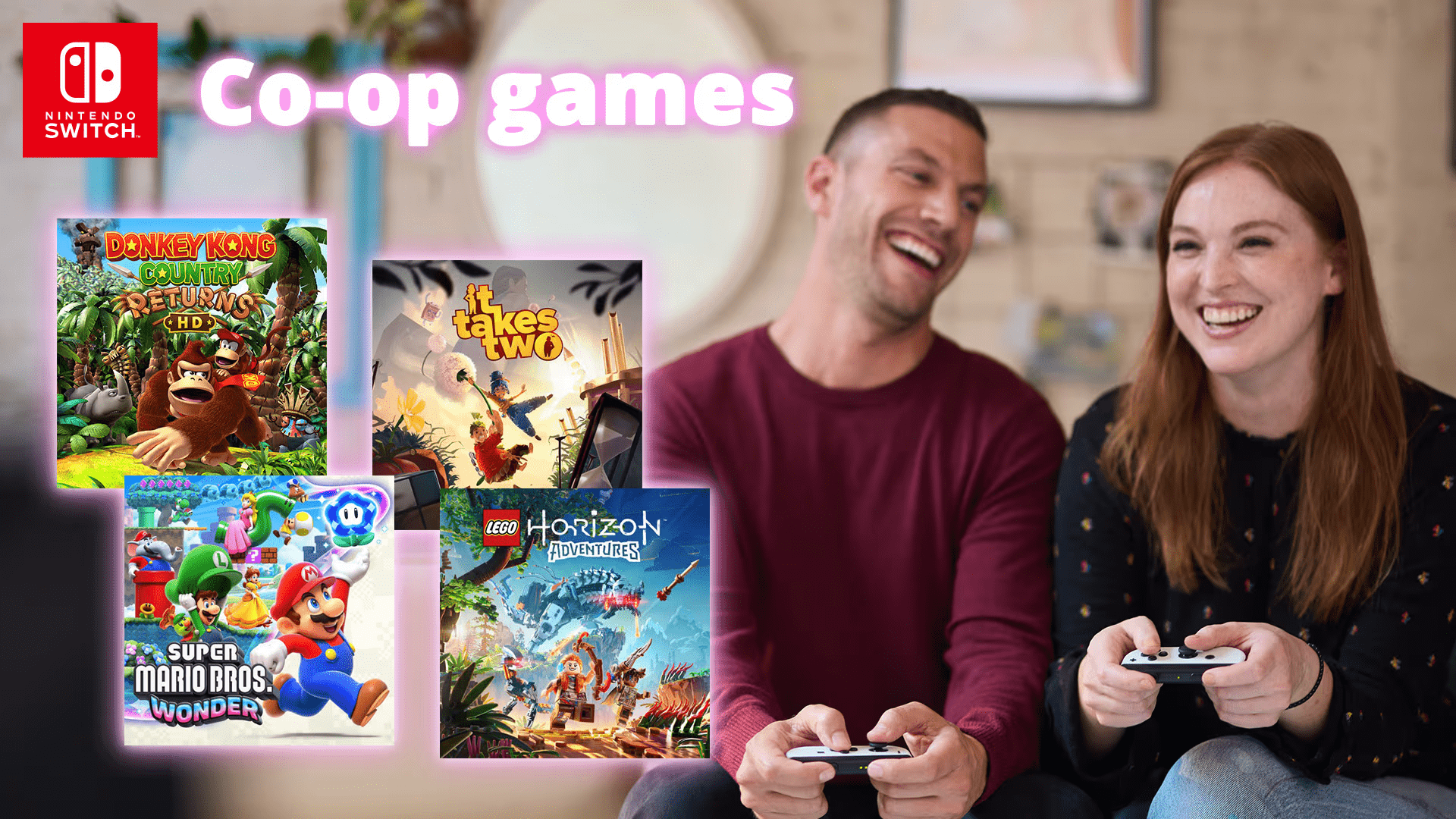
If you are looking for the best two player Switch games, the real answer is not just about shared screens or split joy-cons. The strongest co-op experiences on Nintendo Switch are games designed around collaboration from the ground up, where progress only happens when both players actively think, communicate, and adapt together. These are not solo games with a co-op checkbox. They are shared journeys, built for two.
This guide focuses on best co op Switch games that treat cooperation as a core system. Whether you are searching for games like It Takes Two, narrative-driven adventures, or puzzle experiences that test communication, these picks deliver complete two-player experiences from start to finish.
What Makes a Great Two-Player Co-Op Game on Switch
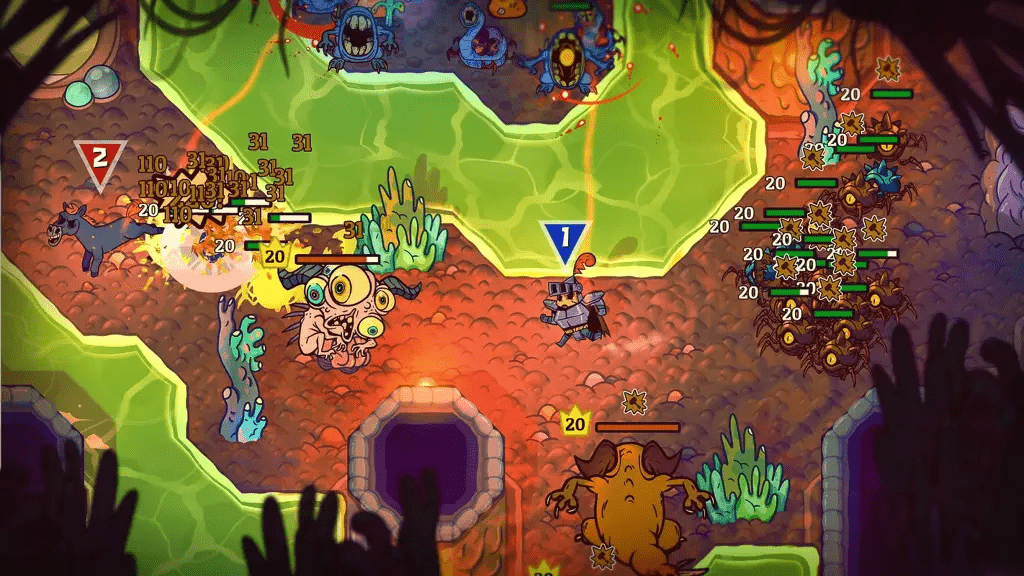
The best two player Switch games share a few key traits. First, both players are equally important. No one is just tagging along. Second, mechanics encourage dialogue, timing, and trust. Third, the game respects shared pacing, allowing both players to learn and fail together.
This balance is what separates meaningful co-op from casual multiplayer. On Switch, that balance shines thanks to local play flexibility and portable sessions.
Games Like It Takes Two: Co-Op Designed Around Two People
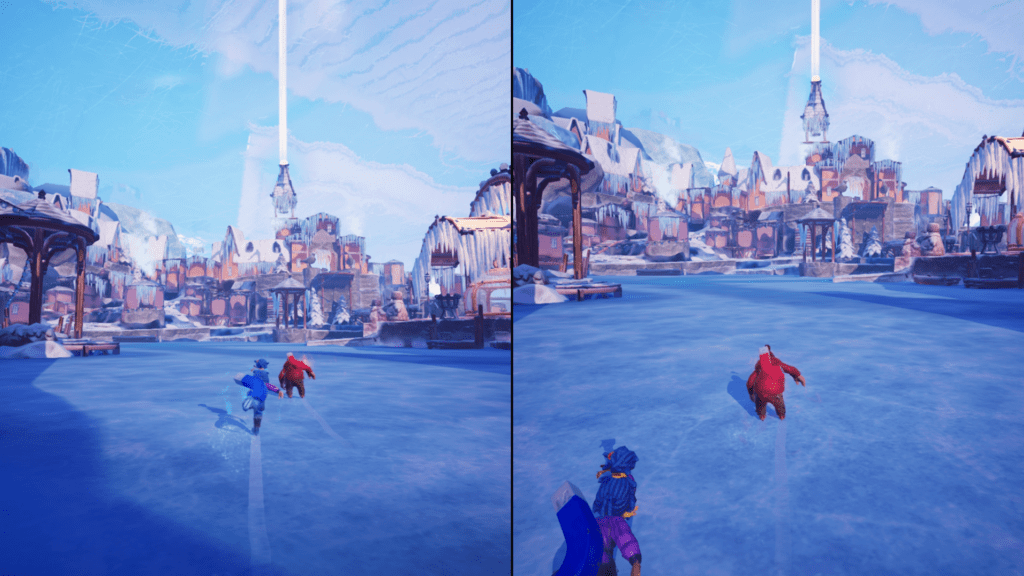
It Takes Two is often the benchmark for modern co-op design, and for good reason. Every level introduces mechanics that only work when both players act in sync. One player manipulates the environment while the other exploits it. One solves spatial problems, the other handles timing.
Narratively, the game mirrors this structure. Two flawed characters are forced to collaborate after being transformed into dolls, navigating oversized household spaces that feel fresh and playful. For players searching for games like It Takes Two on Switch, the key takeaway is intentional dependency. Progress only exists when both players engage fully.
Tick Tock: A Tale for Two and Communication-First Design
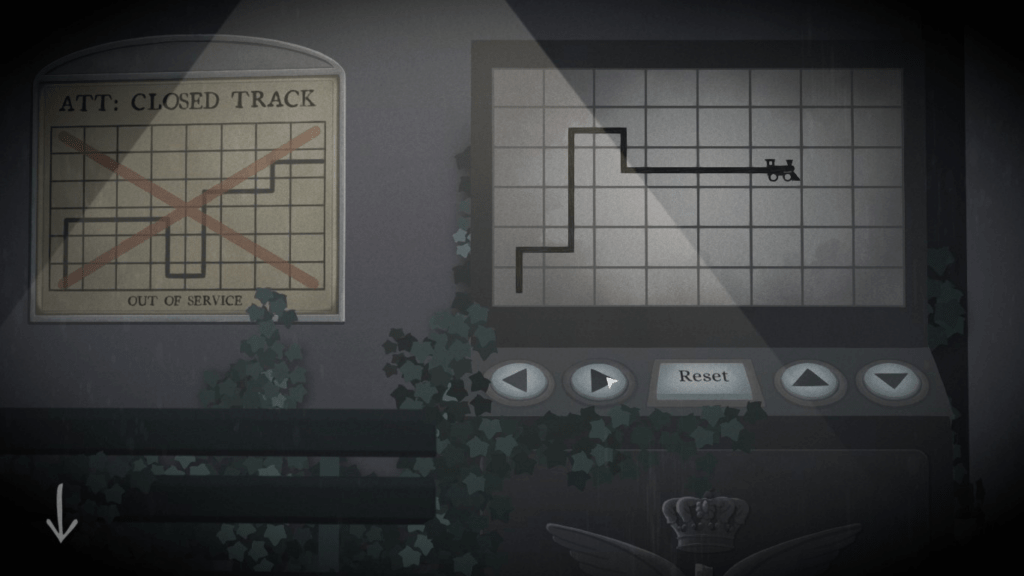
Tick Tock: A Tale for Two strips co-op down to its most essential element: communication. Each player sees a different version of the same world. One might hold symbols, the other holds context. Solutions emerge only through conversation.
This makes Tick Tock one of the best two player Switch games for pairs who enjoy verbal problem-solving. There is no shared screen, no hand-holding, and no margin for silence. Success depends on clarity, patience, and trust.
Portal 2 and the Gold Standard of Puzzle Co-Op
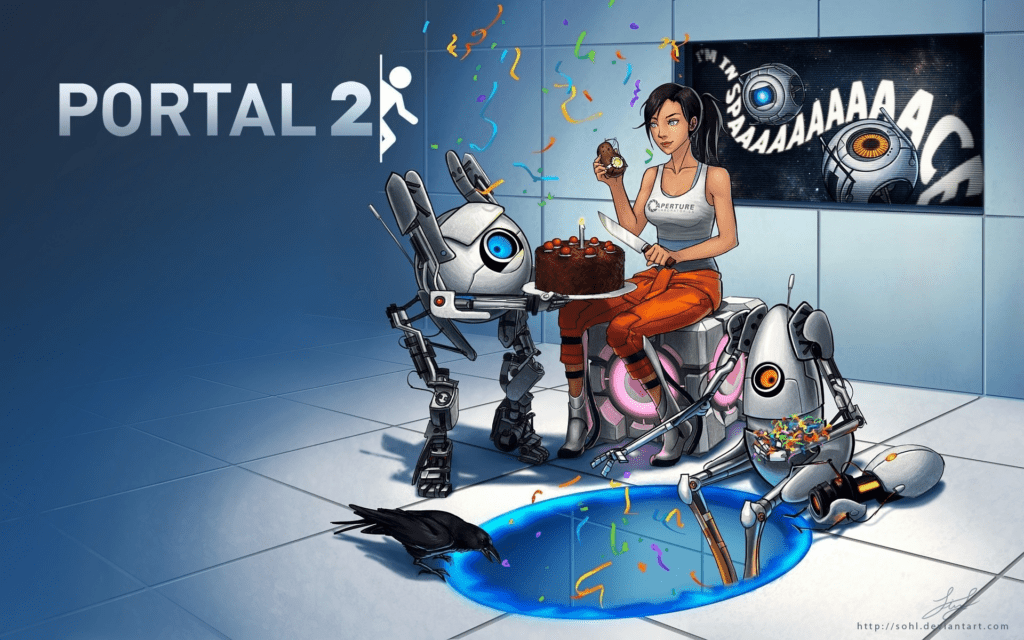
Portal 2 remains one of the most refined co-op puzzle games ever made, even years after release. The two-player campaign is not a remix of the solo experience. It is a completely separate set of challenges built specifically for cooperation.
Both players control robots equipped with portal guns, but puzzles demand synchronized movement, spatial reasoning, and experimentation. Trial and error is part of the design. Failure teaches faster than success. That learning loop is why Portal 2 still ranks among the best co op Switch games today.
We Were Here and Asymmetric Trust
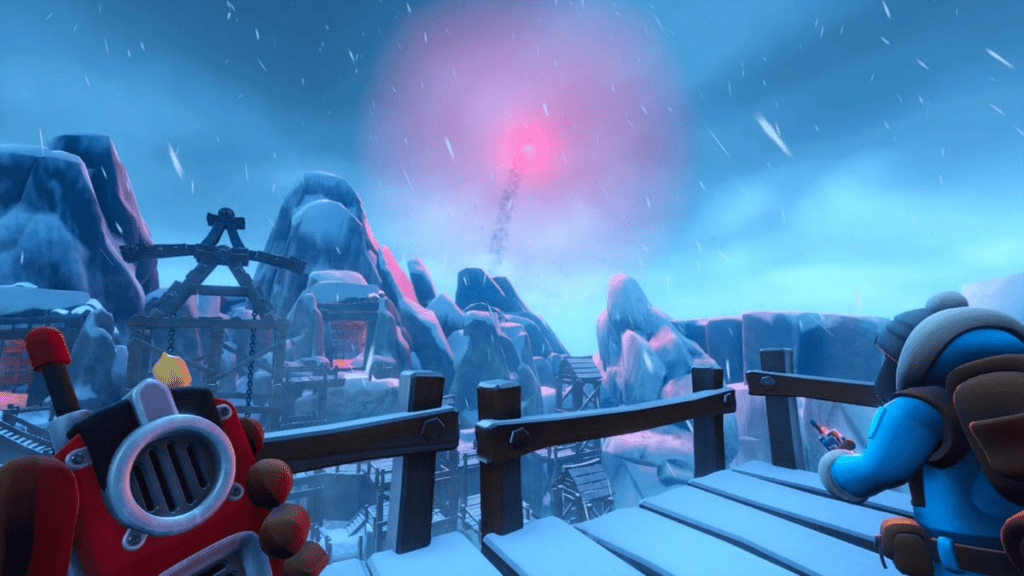
We Were Here is built on separation. Players are rarely in the same room, and often cannot see what the other sees. One player describes symbols. The other interprets them. A single misunderstanding resets progress.
This asymmetry creates tension in a way few co-op games attempt. It is slower and more deliberate than platformers, but deeply rewarding for players who enjoy methodical teamwork. The fact that the first entry is free makes it an easy starting point for newcomers to the series.
Comparing Co-Op Styles on Nintendo Switch
| Game | Co-Op Focus | Player Interaction | Best For |
| It Takes Two | Mechanical dependency | Constant coordination | Narrative co-op |
| Tick Tock | Verbal communication | Real-time dialogue | Puzzle solvers |
| Portal 2 | Spatial logic | Shared experimentation | Logic-driven teams |
| We Were Here | Asymmetric info | Trust and clarity | Slow, thoughtful play |
This range is what makes the best two player Switch games so versatile. You can choose intensity, pace, and tone based on who you are playing with.
Sea of Stars and Shared RPG Progression
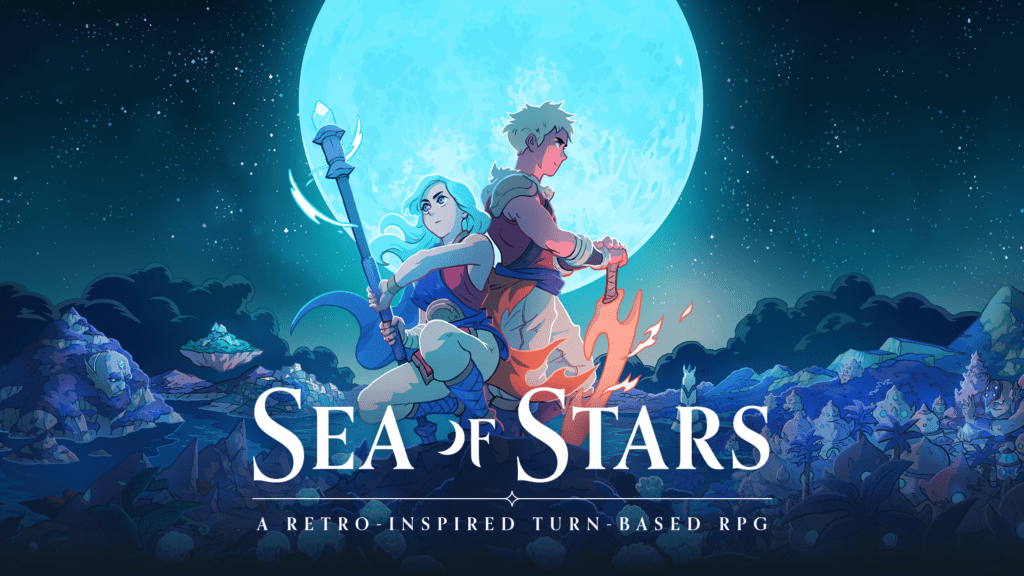
Sea of Stars surprised many players by adding co-op support after launch. While turn-based RPGs rarely shine in multiplayer, Sea of Stars uses real-time combat inputs that benefit from shared responsibility.
One player might focus on timing interrupts while the other manages positioning or ability selection. The result is a smoother learning curve and less pressure on individual performance. For players who want best co op Switch games with traditional RPG structure, this is one of the strongest options available.
A Way Out and Cinematic Two-Player Storytelling
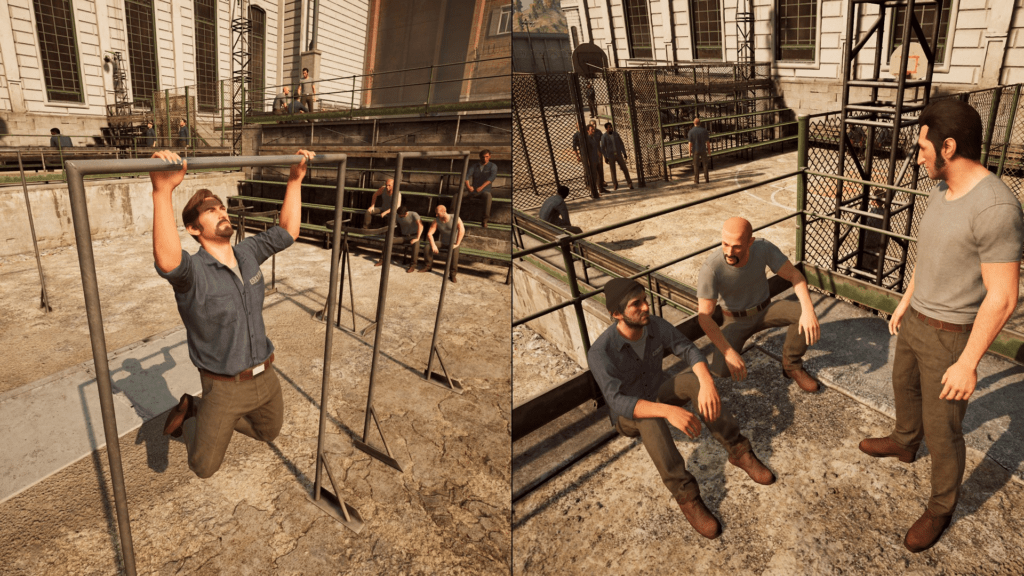
A Way Out is built entirely around two-player co-op. There is no solo mode. Every scene, puzzle, and action sequence assumes both players are present.
The game plays like an interactive film, with frequent perspective shifts and split-screen sequences. One player distracts guards while the other escapes. One drives while the other shoots. This structure makes it ideal for players who care more about story and pacing than mechanical mastery.
Unravel Two and Precision-Based Cooperation
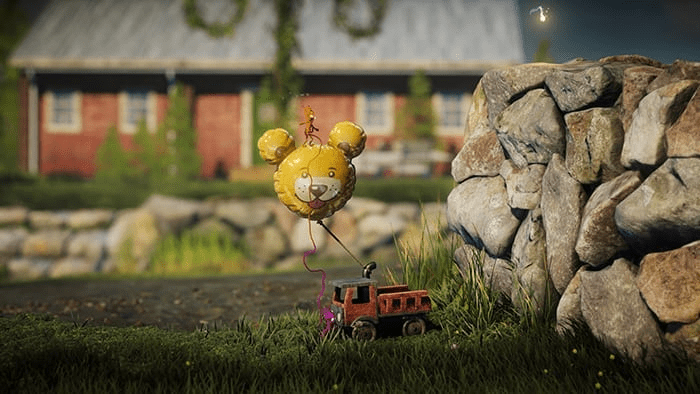
Unravel Two is a quiet stress test for coordination. Two Yarny characters are physically bound by a thread, meaning every jump, swing, and mistake affects both players. The game does not rush you, but it does demand timing, spatial awareness, and mutual patience.
This design makes Unravel Two one of the best two player Switch games for pairs who already trust each other’s rhythm. Progress feels earned because success comes from small adjustments rather than brute force. The emotional tone is understated, but it reinforces the idea that cooperation is not just mechanical, it is relational.
Remnant 2 and High-Stakes Co-Op Combat
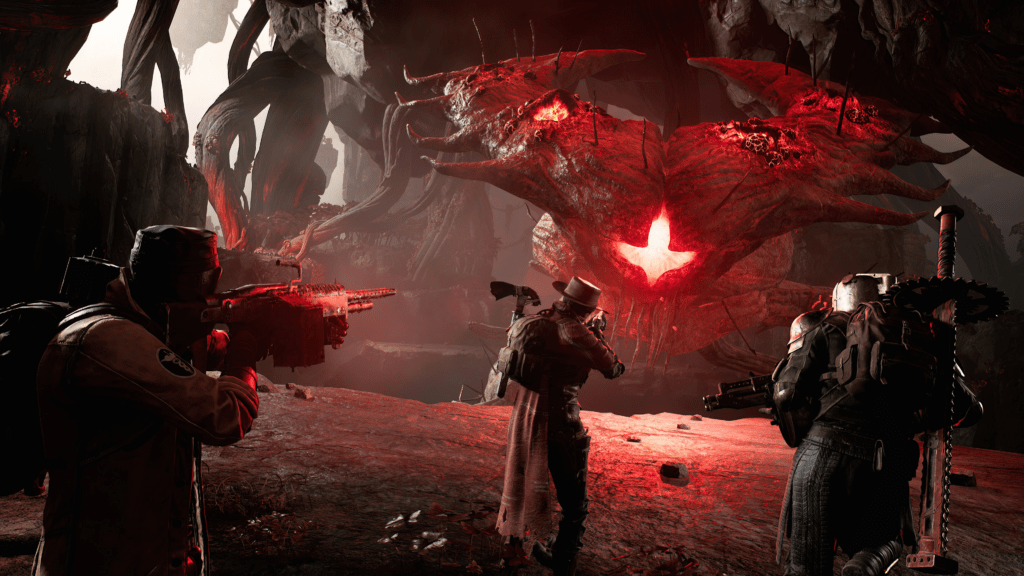
Remnant 2 sits at the heavier end of the co-op spectrum. While it can be played solo, its systems clearly shine when two players coordinate builds, positioning, and cooldowns. Enemies hit hard, bosses punish sloppy play, and survival often depends on covering each other’s weaknesses.
For players who want best co op Switch games with challenge and long-term mastery, Remnant 2 offers a satisfying loop. Weapon customization and procedural world elements ensure that repeated runs feel distinct, while co-op turns difficult encounters into shared victories rather than solo frustration.
Bokura and Perspective-Driven Puzzle Design
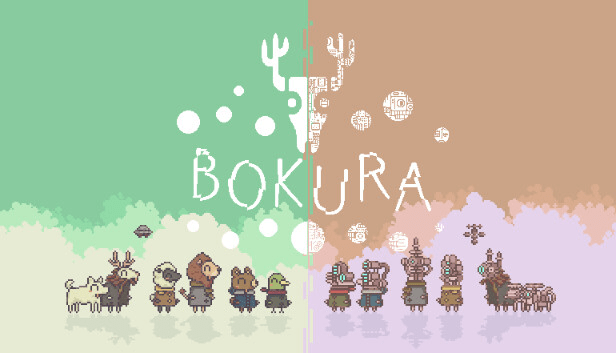
Bokura is a quieter, more experimental take on two-player co-op. Each player sees a different version of the same world. What looks like a harmless animal on one screen may appear as a hostile monster on the other. Both perspectives are true to the characters experiencing them.
Progress depends on describing what you see and trusting your partner’s interpretation. Mechanically, Bokura is simple, but conceptually it is elegant. It works especially well for casual sessions and makes a strong case for communication as a mechanic rather than a supporting feature.
How These Games Compare as Two-Player Experiences
| Game | Difficulty Curve | Core Co-Op Skill | Ideal Pair |
| Unravel Two | Medium to high | Timing and movement | Experienced partners |
| Remnant 2 | High | Combat coordination | Action-focused players |
| Bokura | Low to medium | Communication | Casual or narrative players |
| A Way Out | Low | Shared decision-making | Story-first pairs |
This comparison highlights why the best two player Switch games are not interchangeable. Each one tests a different aspect of cooperation.
Choosing the Right Co-Op Game for Your Situation
Before committing to a co-op experience, it helps to ask a few practical questions:
- Do you want constant communication or relaxed play?
- Are both players equally experienced with games?
- Do you prefer story, puzzles, or combat?
- Will you play in short sessions or long arcs?
Answering these honestly will narrow your choices quickly. For example, players looking for games like It Takes Two should prioritize titles where mechanics force collaboration, not just shared presence. Those seeking best co op Switch games for casual evenings may prefer puzzle or narrative-driven designs.
Why Two-Player Co-Op Still Matters
Two-player co-op occupies a unique space in modern gaming. It is more intimate than competitive multiplayer and more engaging than passive couch play. When designed well, it creates moments that only exist because two people were present and paying attention to each other.
The Nintendo Switch excels here because it lowers friction. Local play is easy. Sessions can be short. And the best two player Switch games respect both players’ time and agency.